
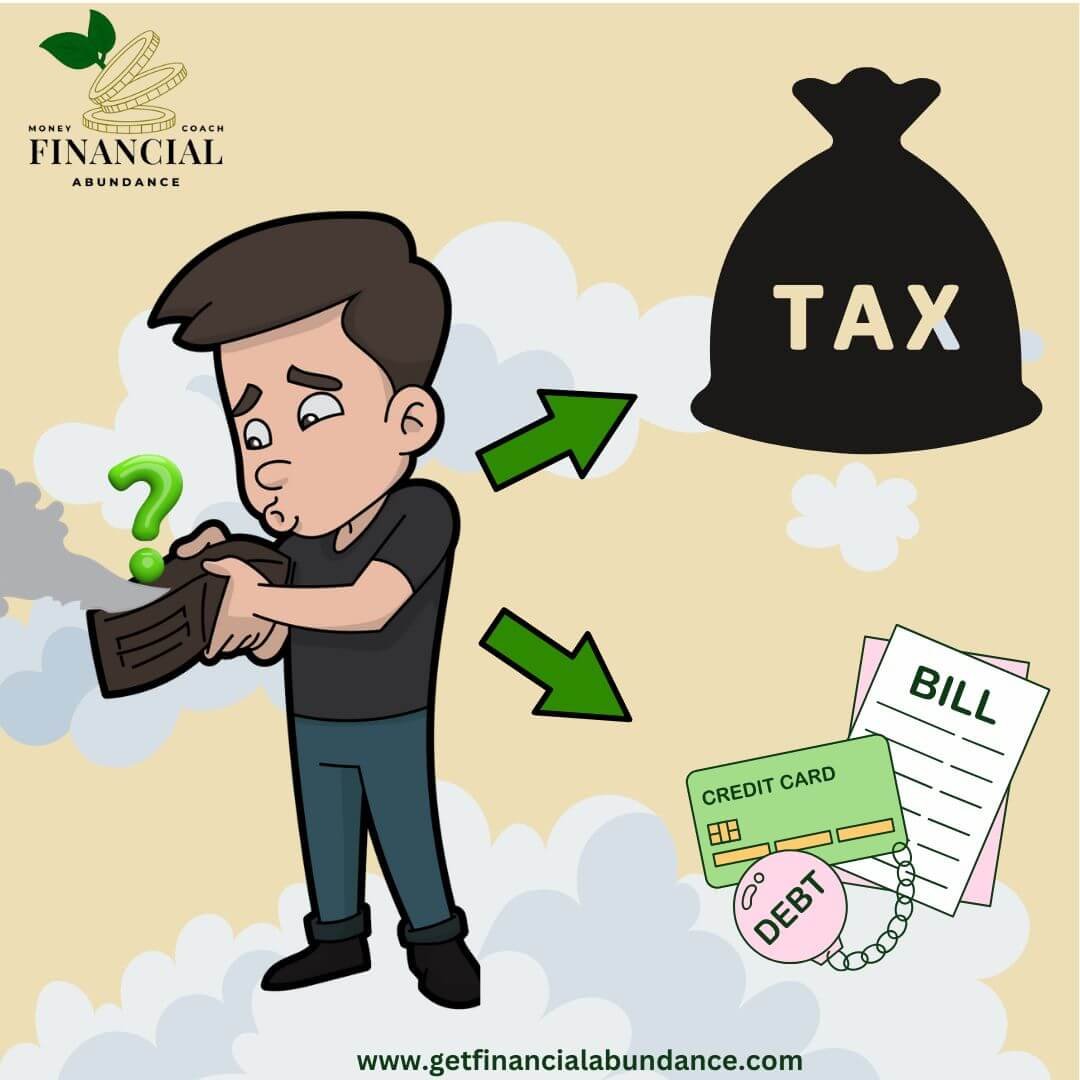
We’ve all experienced that moment when we’re faced with a tempting purchase whether it’s the latest gadget, a spontaneous vacation, or just a shopping spree. For some, the allure of instant gratification is hard to resist, and they make decisions based on what feels good right now, rather than what might benefit them in the future. These individuals, often referred to as “spenders,” find joy in immediate rewards, but this behaviour can create a challenging financial balancing act between short-term pleasures and long-term security.
Spending money in the moment can feel like an emotional release. Buying something new, treating yourself to an experience, or indulging in luxury can create feelings of joy, satisfaction, or even relief from stress. In fact, some research suggests that making purchases can trigger the brain's pleasure centres, giving us a natural "high”. The phrase “retail therapy” came from somewhere...
For spenders, this craving for instant gratification can be strong, and the thought of saving or postponing desires often feels less rewarding. This mindset can lead to impulsive decisions, like eating out too often, buying items on a whim, or living pay check to pay check, with little regard for future consequences.
While the thrill of immediate spending can be gratifying, it can also have serious long-term consequences. Constantly choosing short-term pleasures over long-term planning can leave individuals with little to no savings, no emergency fund, and mounting debt. Without financial security, the very stress that a spender is trying to avoid may become even more overwhelming in the future.
The challenge for spenders is learning how to balance their desire for now with the necessity of later. It’s easy to get caught up in the cycle of instant gratification, but the key to financial well-being lies in making room for both enjoying life today while planning for a secure tomorrow.
The good news is that changing financial habits doesn’t require abandoning all enjoyment. Instead, spenders can learn the art of delayed gratification. This involves making conscious choices that balance pleasure and planning.
Here are a few tips for achieving this:
For spenders, the struggle between instant gratification and long-term planning is real. While enjoying life in the moment is important, it’s equally crucial to prepare for the future. By learning how to strike a balance between enjoying today and planning for tomorrow, spenders can build a healthier relationship with money one that supports both financial security and personal happiness.